The 3 Best Fabrics for Winter in Pakistan: A Fabric Guide
Khaddar, jacquard, and velvet — the three winter fabrics that cover every need from daily wear to wedding season.
Choosing winter fabric in Pakistan is a balancing act. You need warmth for December and January, but not the heavy woollens of colder countries — our winters are moderate, our days often sunny, and overheating in a stuffy office is a real risk. The fabrics that work best here are the ones that insulate without suffocating. Three of them cover virtually every winter need: khaddar for everyday, jacquard for occasions, and velvet for festive nights.
1. Khaddar: The Everyday Winter Workhorse
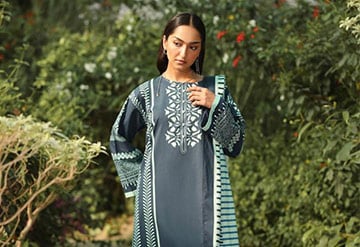
Khaddar is Pakistan's definitive winter fabric, and for good reason. Traditionally hand-woven from coarse cotton, modern khaddar is softer and more refined while keeping its signature warmth. It is a medium-weight fabric that holds heat well, breathes enough for indoor wear, and drapes beautifully once stitched.
What it is best for: Daily wear through the coldest months — office suits, university outfits, and home wear. A three-piece khaddar suit with a warm shawl is the standard Pakistani winter uniform, and it works because the fabric does the insulating while the shawl handles the wind.
What to look for when buying: Run the fabric between your fingers. Good khaddar feels substantial but not stiff, with a tight, even weave and no thin patches. Hold it up to the light — you should not see through it. Check the colourfastness of dyed pieces, since khaddar takes dye deeply and cheaper dyeing can bleed in the wash.
Care: Wash khaddar in cold water with mild detergent, and expect a little shrinkage on the first wash — buy with that in mind or pre-wash before stitching. It softens beautifully with wear, which is why a well-kept khaddar suit often looks better in its second winter than its first.
Light khaddar deserves a mention too: a finer, lighter weave for autumn, early winter, and milder regions like Karachi, where full-weight khaddar can feel too warm on sunny afternoons.
2. Jacquard: Texture for Festive Winter Days
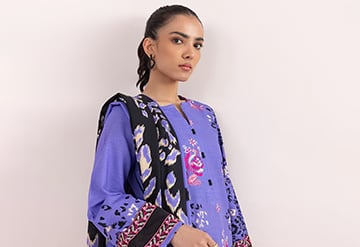
Jacquard is not a fibre but a weaving technique — patterns woven directly into the cloth on a special loom rather than printed on top. The result is fabric with a raised, textured design that catches light and looks rich without any embroidery. In winter collections, jacquard appears in cotton and blended bases that give it enough weight for the season.
What it is best for: Daytime festive occasions — winter dawats, family gatherings, office parties, and daytime wedding events. A jacquard suit looks dressed-up straight off the rack, which makes it perfect for occasions where you want polish without the heaviness of embroidery.
What to look for when buying: Examine the reverse side of the fabric. In good jacquard, the pattern is clean and the floats (the threads that carry the pattern across the back) are short and neat — long, loose floats snag easily. The fabric should have a firm hand and hold its shape; limp jacquard loses the crispness that makes the weave attractive.
Care: Jacquard's textured surface can catch on jewellery and rough surfaces, so handle it with a little care. Wash gently, avoid wringing, and press on a low heat from the reverse side to protect the raised pattern.
3. Velvet: Winter's Festive Showpiece
Nothing says Pakistani winter wedding season like velvet. This pile fabric — with its dense, soft surface and deep, light-absorbing colour — is the most luxurious-feeling textile in the winter wardrobe. Modern velvets, often in cotton or blended bases, are far more wearable than the heavy upholstery-weight velvets of the past.
What it is best for: Evening occasions — winter weddings, festive dinners, and formal events. A velvet kurta, a velvet shawl over a plain suit, or a full velvet three-piece in a jewel tone is the definitive cold-weather festive look. Velvet also photographs beautifully, which matters in wedding season.
What to look for when buying: Brush the pile in both directions — quality velvet looks rich from every angle, while cheaper velvet can look patchy or flat from one side. Check that the pile is even with no bald spots, and choose darker, saturated colours (emerald, maroon, navy, black), which show off velvet's depth best.
Care: Velvet demands respect. Never wring it, wash it rarely and gently (dry cleaning is safest for good pieces), and store it hanging or rolled rather than folded — creases in velvet are stubborn. Keep it away from direct heat when pressing; steam from the reverse side is the safe method.
How to Build a Winter Fabric Wardrobe
For most women, the practical mix is simple:
- Everyday (4–5 suits): khaddar and light khaddar in easy colours — these do the daily work from November to February.
- Smart casual (1–2 suits): linen blends or karandi for days you want to look sharper.
- Festive daytime (1–2 suits): jacquard for dawats and daytime wedding events.
- Festive evening (1–2 pieces): velvet — even one velvet shawl over existing suits multiplies your festive options.
This is a small wardrobe that covers every winter scenario, and it is why fabric choice matters more than quantity.
Final Word
Winter dressing in Pakistan succeeds or fails on fabric. Khaddar keeps you warm through ordinary days, jacquard lifts your festive daytime looks with zero effort, and velvet handles the wedding-season evenings. Learn to recognise good versions of each — even weave, rich colour, honest weight — and every winter purchase becomes an easy decision. Sapphire's winter unstitched collections typically feature all three fabrics each season, so you can feel the difference in-store before you commit.