Chikankari Embroidery: The Timeless Art of Threaded Elegance
Delicate, detailed, and centuries old — the story behind chikankari embroidery, the stitches that define it, and how to style it for modern wardrobes.

Some embroideries shout. Chikankari whispers — and somehow gets heard across the room. This centuries-old white-on-white threadwork from Lucknow has dressed royalty and everyday women alike, and its quiet elegance feels more relevant now than ever. Here is the story behind the stitches, and how to wear them today.
The Story Behind Chikankari
Chikankari's origins trace back to the Mughal era, when the craft flourished under royal patronage in Lucknow. Legend credits Empress Noor Jahan with introducing the art, though historians trace its techniques further back. What is certain is that generations of artisans — many of them women working from home — have kept the tradition alive stitch by stitch, passing techniques from mother to daughter for centuries.
Traditionally worked in white thread on white or pastel fabric, chikankari creates texture and pattern through the threadwork itself rather than colour contrast. The effect is subtle from a distance and breathtaking up close — embroidery for people who appreciate detail.
The Stitches That Define It
Chikankari is not one stitch but a vocabulary of them, each with its own name and character:
- Bakhiya (shadow work): worked on the reverse side so the design shows through as a soft shadow on the front — the most distinctive chikankari technique.
- Phanda and Murri: tiny knotted stitches that create grain-like textures, often used for flower centres.
- Jaali work: delicate open trellis patterns created by pulling threads apart — the finest, most time-consuming technique.
- Hoop and flat stitches: used for outlines, stems, and filling larger motifs.
A single garment might combine several of these, with different artisans specialising in different stitches. It is genuinely slow fashion: a heavily worked piece can take weeks to complete.
Styling Chikankari for Today
The Classic White Kurta
A white chikankari kurta is one of those pieces that never needs a trend to justify itself. Wear it with straight trousers for the office, a shalwar for traditional occasions, or jeans for an elegant casual look. It works for Eid mornings, summer Fridays, and everything in between.
Pastel Pieces
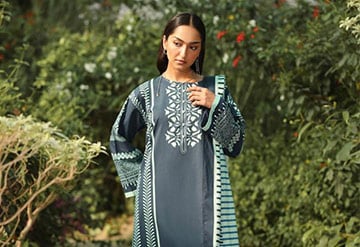
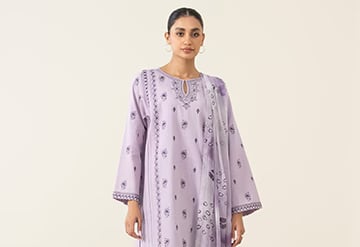
Chikankari on pastel bases — powder blue, blush, mint, lavender — brings the craft into softer, more contemporary territory. These pieces feel fresh and modern while keeping the embroidery's traditional soul.
Festive Chikankari
For evenings and celebrations, look for chikankari with added touches: subtle sequin work, metallic thread accents, or richer base fabrics. The embroidery keeps it elegant while the extras add occasion-appropriate glamour.
Mixing with Modern Silhouettes
Chikankari is not limited to traditional cuts. The embroidery looks stunning on modern tunics, straight shirts, and even western-style tops. Pairing heritage threadwork with contemporary silhouettes is one of the freshest styling moves in desi fashion right now.
Caring for Chikankari
Hand embroidery deserves gentle handling. Wash chikankari pieces in cool water with mild detergent, ideally by hand, and dry in shade to protect both thread and fabric. Store folded rather than hung to avoid stretching the embroidered areas. Treated well, a good chikankari piece lasts for years — some become heirlooms.
Spotting Authentic Hand Chikankari
With machine embroidery everywhere, knowing the real thing matters. Genuine hand chikankari shows slight variations in stitch tension — perfectly uniform stitching usually means machine work. The reverse side reveals handwork clearly: you will see the path of the thread and the characteristic shadow-work effect. Jaali work with truly fine, even openwork is almost always handmade — machines struggle with it. And the price tells a story too: real hand embroidery takes weeks, so suspiciously cheap "chikankari" deserves a second look.
Why It Endures
In a world of loud prints and fast trends, chikankari offers something increasingly rare: quiet confidence. It does not demand attention; it rewards it. That is why it has survived centuries of changing fashion — and why it will survive centuries more.