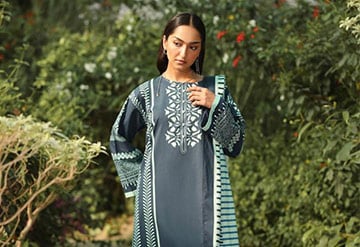
Bottoms, Decoded: A Field Guide to Shalwars, Pants and Everything Between
Shalwar, tulip, cigarette, culotte, palazzo — what each bottom actually looks like, who it flatters, and how to pair it with the right shirt length.
The top gets all the attention, but the bottom decides the outfit. A beautiful kurta with the wrong trouser looks off; a simple shirt with the perfect bottom looks intentional. Pakistani wardrobes have one of the world's richest vocabularies of lower garments — yet most of us rotate the same two. Time to decode the full menu.
The Classics
The traditional shalwar. The original: generous through the thigh with characteristic pleats at the waist, tapering to a narrow, gathered ankle. Unbeatable comfort, timeless with long kurtas. The pleating adds volume at the hip, so balance it with a streamlined top.
The churidar. A close cousin with extra-long legs gathered into bunches at the ankle. Made for anarkalis and long fitted kurtas — the gathers peeking below the hem are part of the charm. Less of an everyday choice, more of a festive one.
The straight trouser (pajama). The modern default: straight from hip to ankle, clean and minimal. Works with everything from short shirts to mid-length kurtas. If you own one bottom, make it this in white and black.
The Tailored Family
Cigarette pants. Slimmer than a straight trouser, usually ankle-length. The sharpest option — perfect for office wear, formal shirts and shorter kurtas. They demand precise tailoring; a well-fitted cigarette pant looks expensive, a poorly fitted one looks uncomfortable.
Straight pants with a wider leg. A relaxed middle ground gaining popularity: the polish of tailoring without the squeeze. Excellent for long workdays and for those who find cigarette pants restrictive.
Bootcut pants. Fitted through the thigh, flaring gently from the knee. The flare balances wider hips and longer tops beautifully. Having a quiet revival — worth revisiting if you dismissed them years ago.
The Flowy Family
Palazzos. Wide from waist to hem, dramatic and comfortable. The rule: pair with a shorter or fitted top to avoid drowning in fabric. Palazzo + hip-length straight shirt is one of the most flattering combinations in eastern wear.
Culottes. The palazzo's cropped sibling — wide legs ending around mid-calf. Modern, youthful, great for showing off footwear. Best in structured fabrics that hold the shape.
The tulip shalwar. Overlapping fabric at the front creating a petal-like effect at the ankle — fashion-forward and distinctive. A statement bottom, so keep the top simple. Try it once with a plain kurta before committing widely.
The dhoti shalwar. Draped and gathered, with roots in traditional menswear now reimagined for women. Dramatic and artistic — for the fashion-adventurous.
Matching Bottoms to Shirt Lengths
This is the pairing logic that makes everything work:
- Long shirts (below knee): slim bottoms — churidar, cigarette, straight trouser. Volume on volume overwhelms.
- Mid-length shirts (knee): anything goes — this is the most versatile length.
- Short shirts (hip): flowy bottoms shine — palazzos, wide shalwars, flared cuts. The contrast is the point.
Fabric Matters Down Here Too
Bottoms take more stress than tops — sitting, walking, washing. Choose durable weaves: cambric and cotton for daily shalwars, stretch-blend fabrics for fitted pants (a little elastane prevents baggy knees), and richer fabrics like raw silk only for occasion bottoms. White bottoms show everything — buy quality, wash separately, and replace when they dull.
The Fitting Room Checklist for Bottoms
- Sit down. Waistbands should not dig, thighs should not pull.
- Check the rise. Too low rides uncomfortably; too high shortens the torso visually.
- Walk and climb. Stairs reveal tightness that standing hides.
- Look from behind. Fit issues hide in the back view — use the mirror or a photo.
The Anatomy of a Good Fit: Measurements That Matter
Whether you are buying ready-made or briefing a tailor, a few numbers decide everything:
- Waist: Measure at your natural waistline — where you actually wear your trousers, not where you wish you did.
- Hips: Around the fullest part, with feet together.
- Rise: From the crotch seam to the top of the waistband. A higher rise elongates legs; a lower rise suits longer torsos.
- Inseam: From crotch to ankle — the difference between trousers that puddle and trousers that polish.
- Thigh and calf: For fitted cuts like cigarette pants, these decide comfort.
Keep these numbers in your phone. They make online ordering dramatically more successful and tailor visits twice as fast.
Bottoms for Different Body Types
There are no rules, only guidelines — but these guidelines work:
- Petite frames: Ankle-length cuts (cigarette pants, cropped culottes) elongate the leg. Avoid excessive volume that overwhelms a smaller frame.
- Curvier hips: Bootcut and palazzo cuts balance beautifully. A-line shirts over straight trousers create a clean line.
- Tall frames: You can carry the grandest volumes — full palazzos, wide shalwars, long flowing cuts. Cropped lengths can look unintentionally short, so check inseams.
- Straight figures: Tulip shalwars, dhoti cuts and gathered styles add curves and interest where you want them.
The real test is always the mirror, not the chart. If you feel good, the fit is right.
A Quick Note on Men's Bottoms
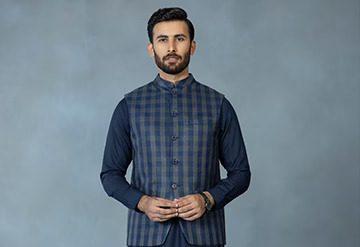
Men's eastern bottoms deserve the same attention. The classic shalwar — with its drawstring waist and tapered ankle — remains the most comfortable option for long festive days. Pajama-style straight trousers in wash-and-wear or cotton suit everyday kurtas. For formal wear, a well-tailored trouser with a kurta and waistcoat is sharp and modern. The same fit rules apply: sit, walk, climb stairs in the trial room.
Building Your Bottom Drawer
A practical starter set: white straight trousers, black cigarette pants, one traditional shalwar in a neutral, one palazzo for festive days, and one fun fashion-forward cut to experiment with. Five bottoms, multiplied by every top you own — that is the real math of a versatile wardrobe.
Fabric and Bottom Pairings: A Cheat Sheet
Certain fabrics flatter certain cuts — a quick reference:
- Cambric and lawn: Best for structured cuts — straight trousers, cigarette pants, crisp shalwars. They hold a crease beautifully.
- Crepe and georgette: Made for flow — palazzos, wide shalwars, anything drapey.
- Khaddar and linen: Ideal for winter bottoms with body — straight pants, tailored cuts that need to hold shape.
- Stretch blends: Essential for fitted cuts; the elastane keeps knees from bagging by evening.
- Silk and raw silk: Reserve for occasion bottoms — they crease and mark easily, so save them for events, not errands.
When buying ready-made bottoms, scrunch a corner of the fabric in your fist for ten seconds. If it springs back smooth, it will survive a day of wear. If it stays wrinkled, imagine it after eight hours — and decide accordingly.
Alterations: The Secret Weapon
Even good ready-made bottoms can usually be improved. Common, cheap alterations that transform fit: hemming to the perfect ankle length, taking in a gaping waistband, tapering legs that are too wide. A Rs. 300 alteration on a sale-priced trouser often produces a better fit than a full-priced pair off the rack. Find a reliable alteration tailor and treat them like gold — they are the most underrated asset in any wardrobe.
Tops may get the compliments, but bottoms do the work. Choose them with the same care, and every outfit gets better from the ground up.