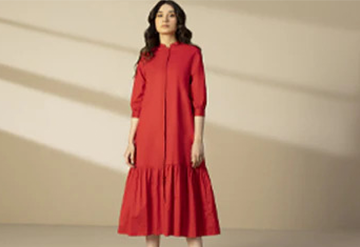
The Winter Collection Guide: Fabrics, Essentials, and Layering
Everything you need for the cold season — the key winter fabrics, the essential outfits, and how to layer them all with style.
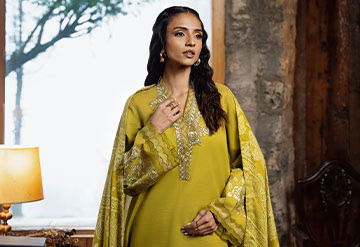
Winter is Pakistan's most interesting dressing season. It is short — really just December through February, with autumn and spring as bookends — but it asks more of a wardrobe than any other season. Summer dressing is about survival; winter dressing is about composition: fabrics with weight, layers with purpose, textures that summer never allows. A well-planned winter wardrobe makes the coldest months the best-dressed ones. Here is the complete guide.
Understanding the Pakistani Winter Wardrobe
Our winter has three phases, and each wants different clothes. Early winter (November) is mild — light khaddar, cambric with layers, the transitional fabrics. Peak winter (late December through January) brings real cold to the north and Punjab — this is khaddar, karandi, knitwear, and shawl season. Late winter (February into March) softens again, and the lighter fabrics return.
The practical implication: do not buy only for peak winter. A wardrobe of nothing but heavy khaddar leaves you overdressed for half the season. Balance heavy, medium, and light winter fabrics, and you are covered from the first cool evening to the last.
The Key Winter Fabrics
Every winter wardrobe is built from a small set of textiles. Know them, and shopping becomes simple:
Khaddar is the foundation — warm, durable, and the fabric of everyday winter suits. Buy the bulk of your daily-wear suits in khaddar, in colours you reach for without thinking.
Light khaddar handles the mild days and heated indoor life — same winter character, less weight. Essential for transitional months and warmer cities.
Karandi brings crispness and structure for smarter days — office wear and occasions where you want to look sharp.
Linen blends offer breathable texture for fall and mild winter days, with a relaxed elegance that suits daytime dressing.
Jacquard provides woven richness for festive daytime occasions — dawats, daytime wedding events — without embroidery.
Velvet is winter's festive showpiece — for wedding-season evenings and formal nights. Even one velvet piece transforms a winter wardrobe's occasion range.
Dobby and cambric fill the gaps: dobby for subtle textured polish, cambric as the layering-friendly base under sweaters and shawls.
Essential Winter Outfits
With the fabrics understood, here are the pieces that form a working winter wardrobe:
The Everyday Suit Rotation
Four to five three-piece suits in khaddar and light khaddar, in easy colours and comfortable prints, form the backbone. These handle office, university, errands, and home life through the season. Vary the prints and solids so the rotation does not feel repetitive, and keep the cuts comfortable — winter is not the season for restrictive fits.
The Smart Winter Suit
One or two suits in karandi, dobby, or a linen blend for days that demand polish — important meetings, formal lunches, parent-teacher conferences. Solid colours or subtle textures, clean stitching, trousers rather than shalwar. This is the suit that says you mean business.
Knitwear: The Layering Engine
Two to three good sweaters — a neutral crew-neck, a cardigan, and one piece in a colour you love — multiply every outfit you own. A sweater over a cambric kurta, a cardigan over a plain suit, a knitted dress on its own: knitwear is how winter wardrobes achieve variety without volume.
The Shawl Collection
Two shawls minimum: one warm, neutral, everyday shawl (pashmina-style, in beige, grey, or black) that goes over everything, and one dressier shawl — embroidered, printed, or in a rich colour — for evenings and occasions. Shawls are the most cost-effective winter purchase; a single good shawl refreshes five suits.
Outerwear for the Coldest Days
One proper warm layer for peak winter: a wool-blend coat, a quilted jacket, or a heavy cardigan-coat in a neutral colour. In Lahore, Islamabad, and the north, this gets daily wear for weeks; even in Karachi, the coldest nights justify it. Buy for fit over a sweater, not over a t-shirt.
The Festive Winter Piece
Winter is wedding season, and your wardrobe needs an answer: a velvet suit or shawl, an embroidered jacquard, or a rich festive unstitched piece. One excellent festive outfit, accessorised differently across events, handles the entire wedding season more elegantly than three mediocre ones.
The Art of Winter Layering
Layering is a skill, and winter is where it pays off:
- The base should be comfortable and relatively fitted — a cambric or light khaddar kurta. Bulk at the base ruins everything above it.
- The middle adds warmth — a sweater, cardigan, or waistcoat. This is the visible layer, so choose it deliberately.
- The outer handles wind and cold — shawl, coat, or jacket. It should be easy to remove when you step indoors.
- Proportions matter: If the middle layer is oversized, keep the base slim. If the outer is voluminous, keep everything beneath streamlined.
- Colour strategy: Neutrals layer effortlessly; one bold layer among neutrals creates focus. Three bold layers create chaos.
The most common layering mistake in Pakistan is the indoor-outdoor miscalculation: dressing for the 8 a.m. cold and then sweltering in a heated office. Layers you can remove solve this — which is why the shawl remains undefeated.
Dressing for Winter Occasions
Winter's social calendar — weddings, festive dinners, New Year gatherings — has its own dress code:
Daytime wedding events call for jacquard, embroidered cambric, or festive khaddar with a good shawl. Rich colours photograph beautifully in winter light.
Evening functions are velvet's domain — a velvet suit, or a velvet shawl over an elegant base. Deep jewel tones, gold jewellery, polished styling.
Casual winter gatherings — bonfires, outdoor dinners, family barbecues — want warmth with ease: a favourite khaddar suit, a cosy sweater, a beautiful shawl. Looking comfortable is the dress code.
Caring for Winter Clothes
Winter fabrics reward care: wash khaddar in cold water and expect it to soften beautifully over seasons; air knitwear between wears and fold rather than hang; store velvet carefully and clean it rarely; keep shawls folded with cedar or lavender to protect them through summer storage. Good winter pieces should last years, not a season — buy accordingly.
Winter Colours: Building a Cohesive Palette
A winter wardrobe looks expensive when its colours work together. The most practical approach is a base of neutrals — black, charcoal, camel, beige, navy — with two or three accent colours you love. Neutrals mix freely, which means five suits in a coordinated palette produce far more outfits than five suits in random colours.
For accents, winter favours depth: emerald, maroon, mustard, rust, and plum all glow against the season's grey skies and photograph beautifully. If your personality leans colourful, let one accent dominate (a wardrobe with emerald as its signature looks intentional); if you prefer quiet dressing, keep accents to shawls and accessories over a neutral base.
A Sample Winter Capsule: 12 Pieces, Countless Outfits
To make this concrete, here is what a complete winter capsule can look like:
- 3 khaddar three-piece suits (daily rotation)
- 1 light khaddar suit (mild days)
- 1 karandi or dobby suit (smart days)
- 1 jacquard suit (festive daytime)
- 1 velvet shawl or suit (festive evenings)
- 2 sweaters (one neutral, one accent colour)
- 1 cardigan (layering)
- 1 warm neutral shawl (everyday)
- 1 coat or heavy jacket (peak cold)
Twelve pieces. Every top works with every bottom, every layer works over every suit, and the two shawls refresh everything. This is the opposite of a stuffed wardrobe — it is a wardrobe where everything earns its place, and it costs less than a closet full of impulse buys.
Shopping the Winter Collection: Timing Tips
Winter collections launch in autumn, and timing your shopping matters. Shop early (October–November) for the best selection of prints, embroideries, and sizes — the pieces you love most sell first. Use the winter sale (typically December–January) for the heavy-duty investments: the coat, extra knitwear, additional shawls, and next year's winter suits bought ahead at lower prices. And always feel the fabric before committing — weight, weave, and softness tell you more than any display.
Final Word
A winter wardrobe is a small, deliberate collection: everyday suits in khaddar, a smart suit or two, knitwear for layering, shawls for warmth and polish, one proper coat, and one festive showpiece. Built on the right fabrics and layered with intention, it handles everything the season brings — the foggy commutes, the wedding invitations, the quiet cold evenings at home. Sapphire's winter collections each year are designed around exactly this wardrobe logic, from unstitched khaddar and karandi to knitwear, shawls, and festive velvets. Plan it once, in autumn, and winter becomes the season you dress best for.