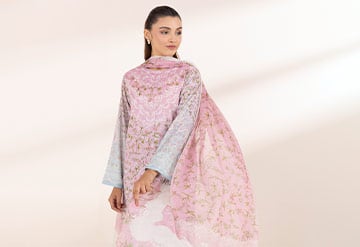
Ramadan and Eid Suit Guide: What to Wear, Stitch, and Plan
From comfortable iftar outfits to your show-stopping Eid suit — how to plan, choose fabrics, and design suits for Ramadan and Eid.
Ramadan reshapes daily life for a month — slower days, taraweeh nights, iftar gatherings — and then Eid arrives with its full celebratory force. Dressing for this stretch means thinking in two modes: the comfortable, modest ease of Ramadan itself, and the festive polish of Eid. Here is how to plan suits for both, from fabric choices to stitching details.
Dressing for Ramadan: Comfort With Dignity
Ramadan days are long and often warm, and evenings fill with prayers and gatherings. The ideal Ramadan wardrobe is built on breathable fabrics, relaxed fits, and easy elegance — outfits you can wear from afternoon errands to taraweeh without feeling over- or under-dressed.
The iftar-appropriate suit is comfortable above all: a soft lawn or cambric two- or three-piece in a pleasant print or solid colour, with a relaxed kurta cut that does not restrict. You will be sitting on the floor at some gatherings and in chairs at others; your outfit should handle both gracefully.
For taraweeh and mosque visits, modesty and simplicity lead: full sleeves, comfortable trousers, a dupatta or hijab that stays put. Darker colours and simple prints are practical — mosque floors, crowds, and late nights are not kind to delicate whites.
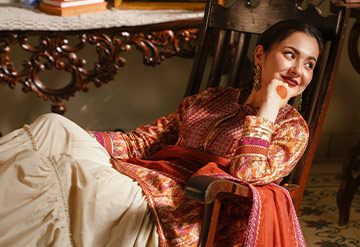
For Ramadan dinners and dawats, step it up slightly: an embroidered cambric or cotton-satin suit, a festive-but-not-bridal look. Ramadan gatherings have their own dress code — polished, respectful, celebratory without competing with the Eid outfits to come.
Planning Your Eid Suits: Start Early
The biggest Ramadan-Eid mistake is leaving Eid suits to the last ten days. Tailors are swamped, fabric shops are picked over, and rushed decisions lead to outfits you do not love. The smart timeline:
- First week of Ramadan: Choose and buy your Eid fabrics. Selection is best now.
- Second week: Finalise designs and hand everything to your tailor with clear instructions.
- Third week: First fittings; buffer time for adjustments.
- Last week: Collect, press, and plan accessories. No stitching stress during the final holy days.
Two Eid suits is the practical number for most women: one standout for day one, one beautiful-but-comfortable for day two and visiting. A third, simpler option covers the smaller gatherings.
Eid Suit Fabrics: Matching Fabric to Moment
- Eid morning: Lightweight festive fabrics — embroidered lawn or a fine cambric. You will be photographed all morning; choose colours that glow in daylight.
- Eid day main gathering: Your richest suit — embroidered jacquard, raw silk, or a heavily worked cambric with an embellished dupatta. This is the outfit for the family photograph.
- Eid evening: Something with a touch of sheen — silk blends or chiffon — in deeper tones that suit evening light.
- Visiting days: Comfortable festive — printed two-pieces, pastel embroidered suits, outfits that travel well.
Suit Design Ideas Worth Trying
Since you are likely stitching unstitched fabric, the design is yours to direct. A few ideas that consistently look good:
The embroidered neckline focus: Keep the suit body simple and concentrate embroidery at the neckline with a finished placket. It frames the face beautifully in photographs and looks refined rather than busy.
The statement dupatta: A relatively simple shirt paired with a heavily embroidered or contrasting dupatta. This is cost-effective — the dupatta carries the festive weight — and versatile, since the shirt can be reworn with other bottoms.
The tilla-touch festive: Gold or silver tilla embroidery on lawn or cambric gives Eid-appropriate richness without the heaviness of full threadwork. It catches light beautifully and suits both day and evening.
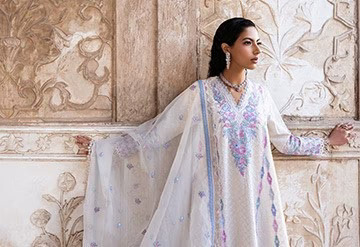
The monochrome elegant: A single-colour suit — sage green, powder blue, ivory — with tonal embroidery. Understated, modern, and strikingly photogenic. This is the choice for women who prefer quiet luxury to visible embellishment.
The classic white with a twist: White is the eternal Eid colour, but plain white risks looking unfinished. Add interest through texture — a dobby or jacquard weave — coloured embroidery, or a vibrant dupatta.
Stitching Details That Matter
- Neckline finishing: A clean, well-finished neckline (facing or piping, no raw edges) is the difference between boutique and homemade.
- Sleeve borders: Embroidered or lace sleeve finishes elevate even simple suits enormously.
- Hem interest: A wide lace, embroidered border, or scalloped hem gives the kurta a finished, festive feel.
- Trouser cut: Cigarette pants and straight trousers look modern; a traditional shalwar looks classic. Match the bottom to the occasion's formality.
Accessories: The Final Layer
Eid accessories should be planned, not improvised. Match your jewellery to your embroidery tones — gold with warm embroidery, silver with cool. Choose shoes you can stand in through a long day of visiting. And plan your bag: small and dressy for the main day, practical for visiting rounds.
Final Word
Ramadan and Eid dressing rewards the planners: comfortable, modest suits for the holy month itself, and thoughtfully designed festive suits for Eid — bought early, stitched carefully, accessorised deliberately. The month is about reflection and togetherness; your wardrobe should support that, not distract from it. Sapphire's Ramadan and Eid collections each year span exactly this range, from easy daily-wear suits to festive embroidered pieces — shop the Eid fabrics in the first week of Ramadan, brief your tailor well, and arrive at Eid polished, comfortable, and stress-free.