Eid-ul-Fitr Lookbook: Unstitched Outfit Ideas for Every Celebration
From Eid morning prayers to day-two dawats, here is how to style unstitched fabrics into unforgettable Eid-ul-Fitr looks.
There is something deeply satisfying about an Eid outfit you designed yourself. Choosing the fabric, picking the embroidery, deciding the neckline with your tailor — an unstitched Eid suit carries a personal signature that no ready-made outfit can match. Eid-ul-Fitr arrives right after Ramadan with back-to-back gatherings, so most of us need not one Eid look but several. Here is a complete Eid-ul-Fitr lookbook built around unstitched fabrics, from morning prayers to the last dawat.
Eid Morning: Fresh, Light, and Photogenic
Eid morning starts early and moves fast — prayers, hugs, sheer khurma, family photos. You want something comfortable enough for a long morning but polished enough for pictures you will look at for years.
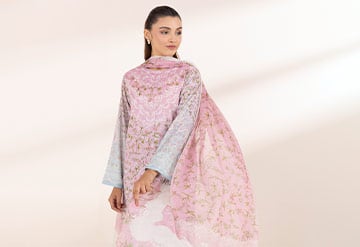
A printed or lightly embroidered lawn or cambric three-piece in a soft colour — powder blue, mint, blush pink, or classic white — is ideal. Keep the stitching simple: a straight kurta with side slits, cigarette pants or a straight shalwar, and the dupatta draped over one shoulder. Finish with flat khussas or slides, minimal jewellery, and fresh makeup. This is the look your cousins will ask about in the family group chat.
Eid Day One Lunch: The Statement Look
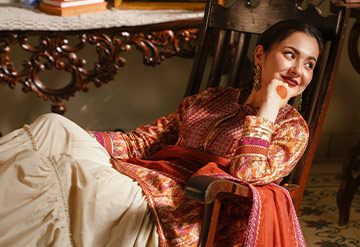
By afternoon, the celebrations move to the main dawat, and this is where your Eid outfit should peak. Day one is for the suit you spent the most time planning — embroidered lawn, jacquard, or a festive cambric with a heavily worked dupatta.
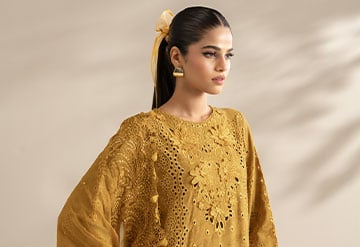
Stitching matters as much as fabric here. Consider a neckline with delicate tilla or thread-work buttons, sleeves with embroidered borders, and a hemline with a wide lace or organza finish. These small tailoring decisions are what make an unstitched suit look designer. Pair with heeled sandals, a clutch, and slightly bolder jewellery than your morning look — this is the outfit for the big family photograph.
Styling tip: If your suit has a busy embroidered front, keep the dupatta lighter and let the shirt do the talking. If the shirt is simple, choose a dupatta with an embroidered pallu or a contrasting colour to create the festive moment.
Eid Evening: Soft Glamour
Evening gatherings on day one call for a subtle shift — the same suit can work, but change the accessories. Swap flats for heels, add a statement earring, deepen the lip colour, and restyle the dupatta. A dupatta worn as a loose cape over the shoulders reads instantly more formal than the same dupatta pinned neatly.
If you planned a second outfit for the evening, this is the slot for richer fabric: raw silk, a touch of chiffon, or anything with a slight sheen that catches evening light. Darker jewel tones — emerald, maroon, navy — feel right after sunset.
Day Two: Relaxed but Still Festive
By day two, everyone is slightly tired and the dress code relaxes. This is the moment for your comfortable-but-pretty suit — a two-piece printed set, a pastel embroidered kurta with trousers, or last year's favourite that still looks fresh.
The smart move is a two-piece: a printed shirt with matching trousers requires no dupatta management, keeps you cool through afternoon visiting, and still looks intentional. Add one nice accessory — a good bag, pretty sandals — and you are done. Day two is also the perfect time to wear the suit you bought on sale; it gets its outing and you get your money's worth.
Day Three and Beyond: The Minimalist Eid Look
Not every Eid gathering needs embroidery. For the smaller family dinners and friend visits later in the week, a minimal look is actually the most sophisticated choice: a solid-colour cambric or cotton-satin kurta in white, beige, or sage, with well-cut trousers and a single striking accessory.
Minimalist Eid dressing works because the tailoring carries it — a perfectly fitted plain kurta with a band collar or a neat V-neckline looks more expensive than a fussy embroidered one that does not fit well. Invest your tailor budget here; the simplest designs punish bad stitching the most.
Choosing Your Unstitched Fabrics: A Quick Guide
- For daytime: lawn, cambric, and printed cotton — breathable and comfortable for long days.
- For the main dawat: embroidered lawn, jacquard, or dobby — festive without being heavy.
- For evenings: raw silk, chiffon, or silk-blends — sheen and richness for after-dark events.
- For dupattas: chiffon and organza for formal looks; the suit's own fabric for casual ones.
Buy your unstitched fabric at least three to four weeks before Eid. Good tailors book up fast in Ramadan, and rushed stitching shows in every photograph.
Final Word
The beauty of an unstitched Eid wardrobe is control — over the fabric, the fit, the embroidery placement, every detail. Plan one standout suit for day one, one comfortable set for day two, and one minimalist look for the smaller gatherings, and your whole Eid-ul-Fitr is covered. Sapphire's unstitched Eid collections each year bring embroidered lawns, jacquards, and festive cambrics designed exactly for this kind of planning — pick your fabrics early, brief your tailor clearly, and enjoy an Eid where every outfit feels unmistakably yours.